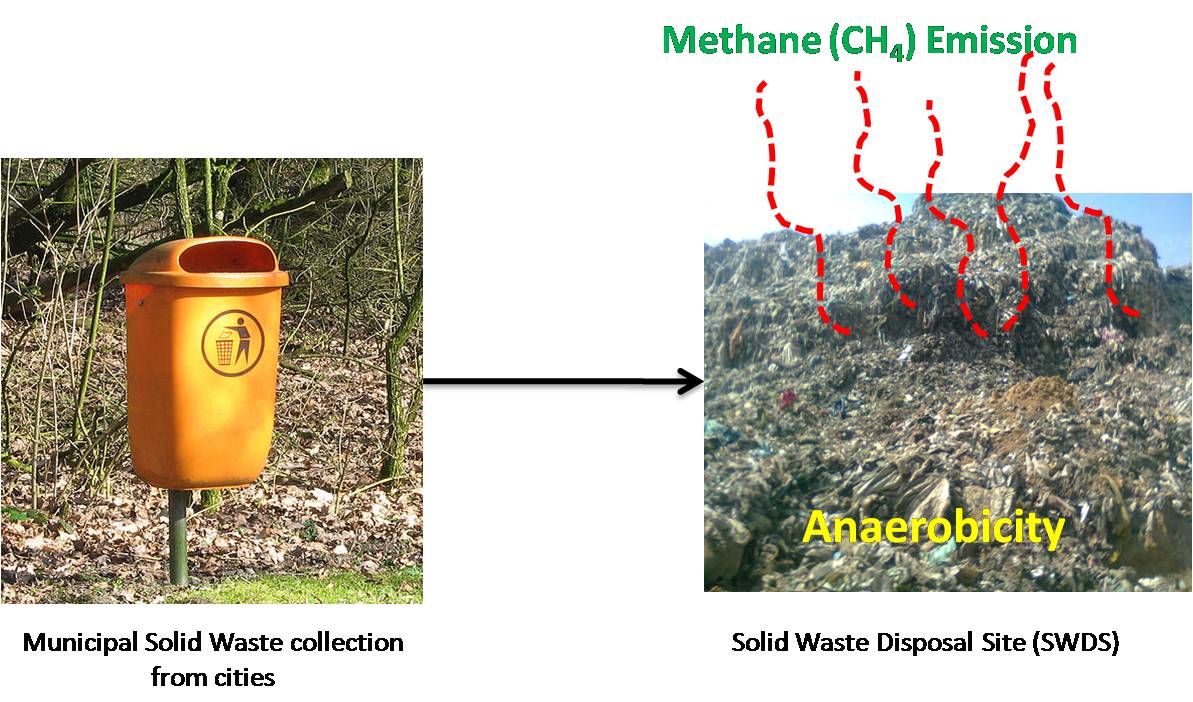
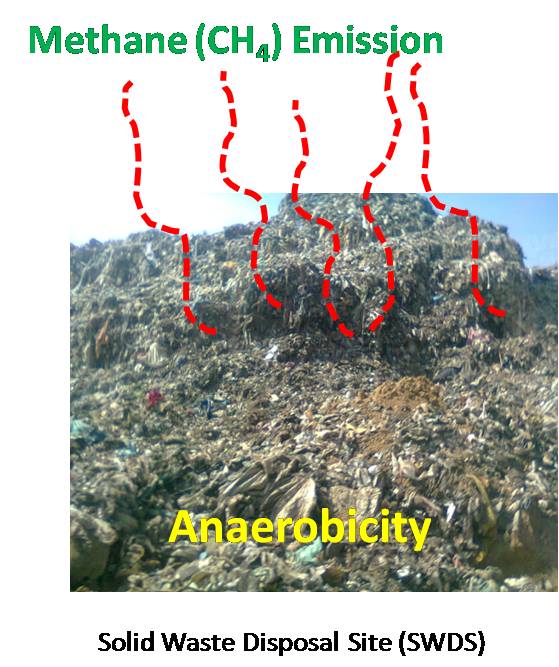
We explained in our last post about the emission of methane from Municipal Solid Waste Disposal Sites (SWDS). In this post, we will understand the quantification methodology for
India’s energy demand has been growing rapidly as a result of the industrial growth as well as the rise in household energy consumption. India ranks 6th in the
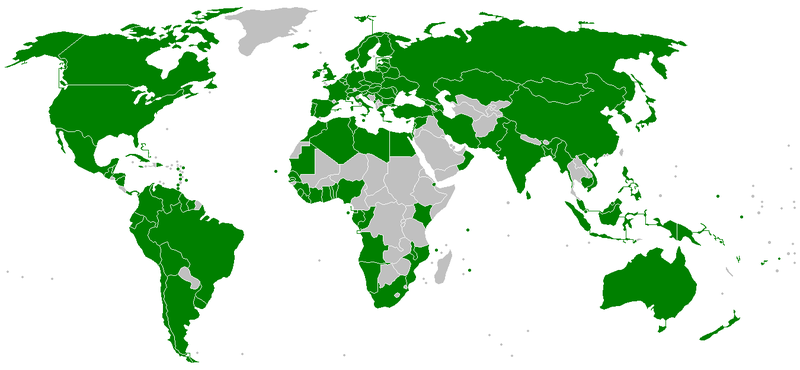
Marpol (Marine Pollution) is the International Convention for the Prevention of Pollution from Ships, 1973 as modified by the Protocol of 1978. 73/78 refer to the years 1973 and 78.1
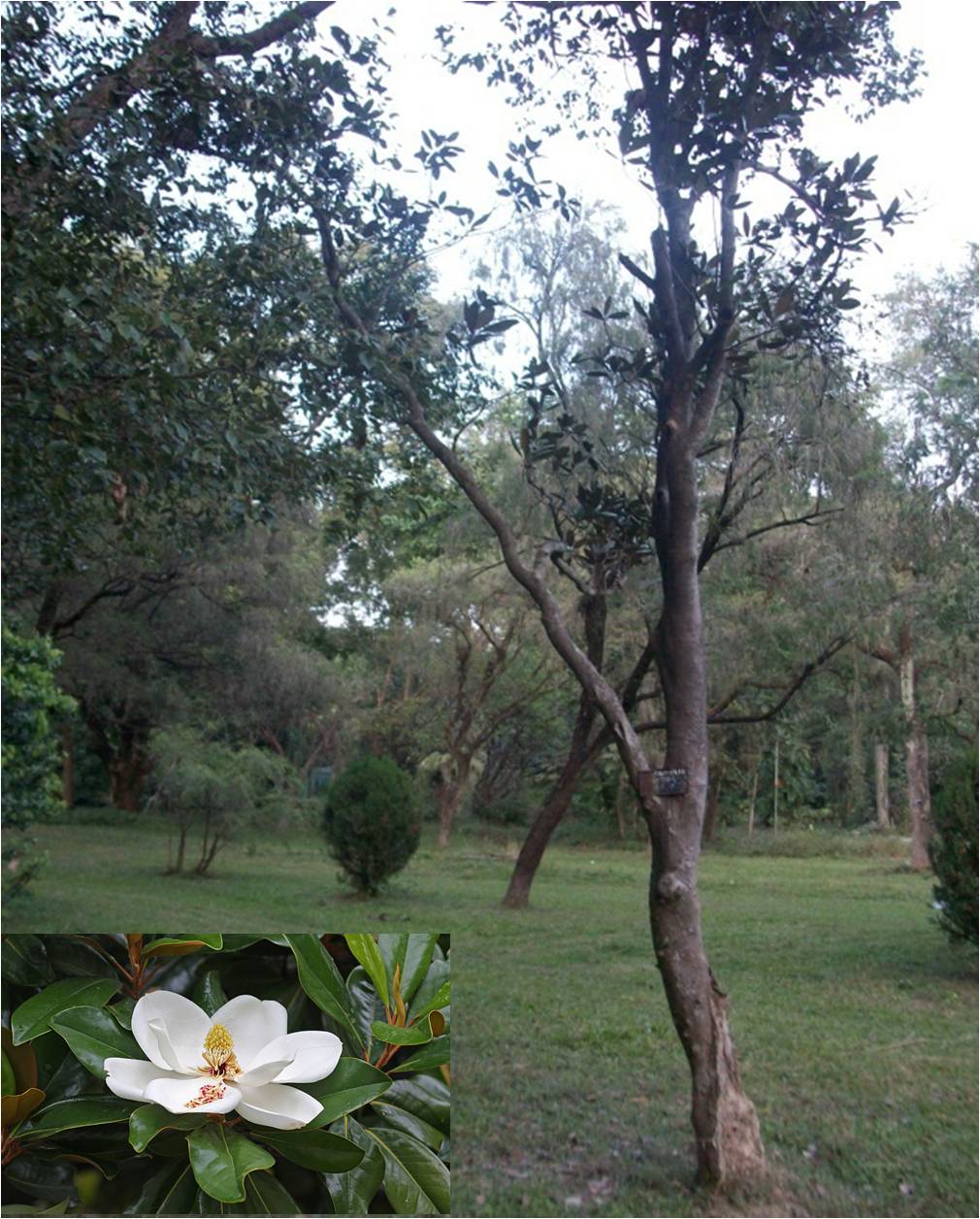
Kingdom: Plantae Order: Magnoliales Family: Magnoliaceae Genus: Magnolia Species: Magnolia grandiflora Common name: Laurel magnolia, Life tree, Bari champa, Him champa Origin: U.S.A. Description: Magnolia is a large, broad-leafed evergreen
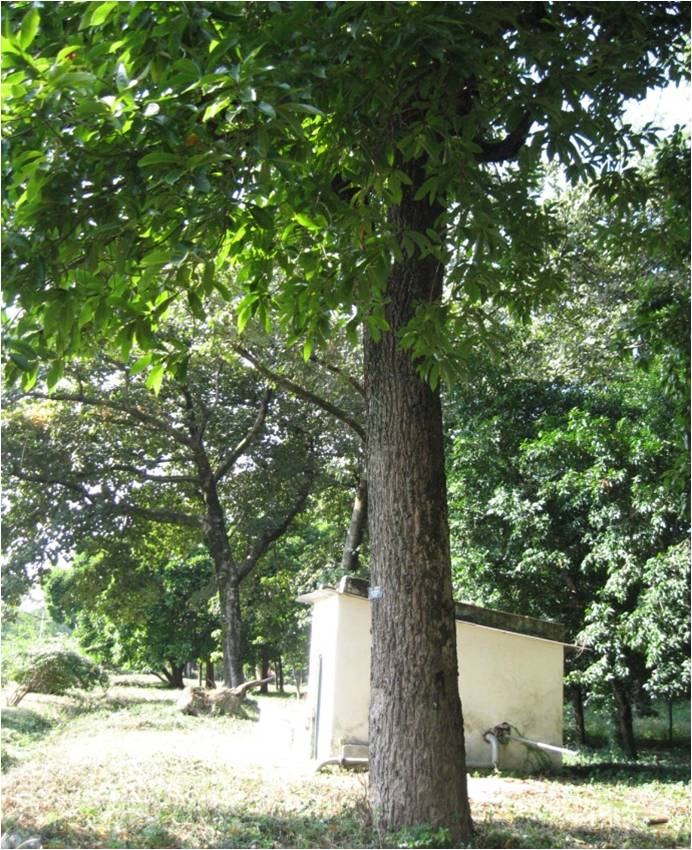
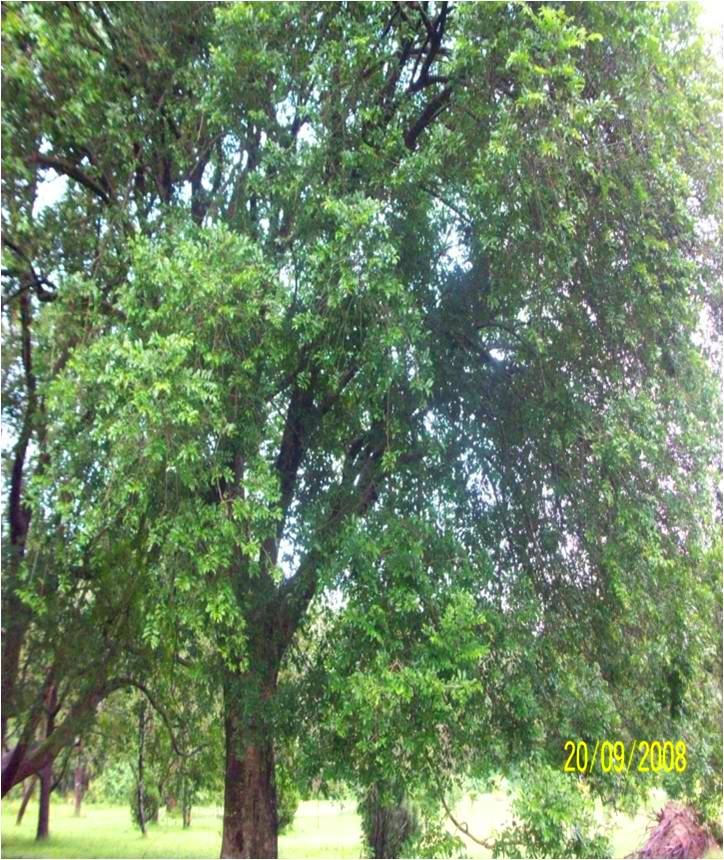
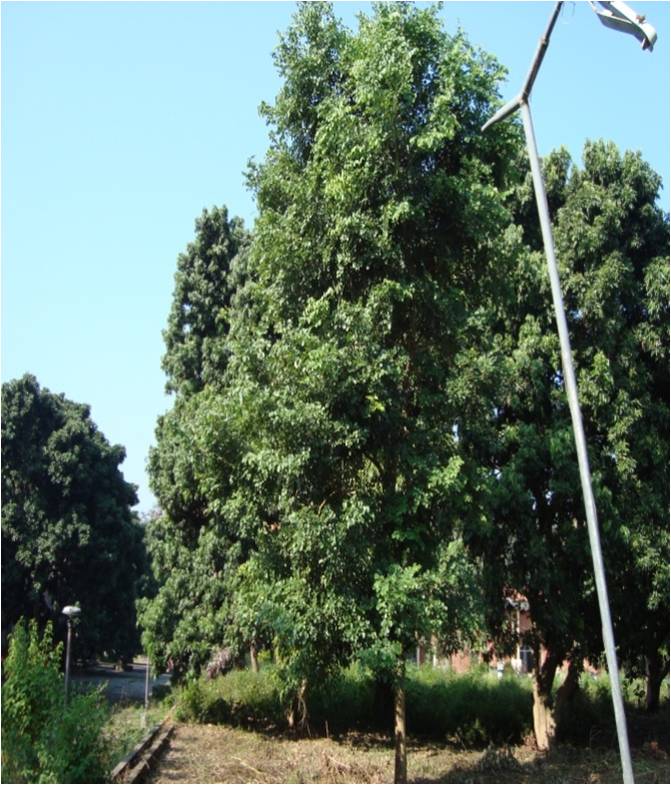
Kingdom: Plantae Order: Malpighiales Family: Putranjivaceae Genus: Putranjiva Species: Putranjiva roxburghii Common name: Child- life tree Origin: India Description: Evergreen tree, with pendent branches, grey bark, leaves are long, elliptic-
Municipal Solid Waste is the waste material typically discarded by households comprising dry & wet waste materials. Solid waste is a significant contributor to greenhouse gas (GHG) emissions
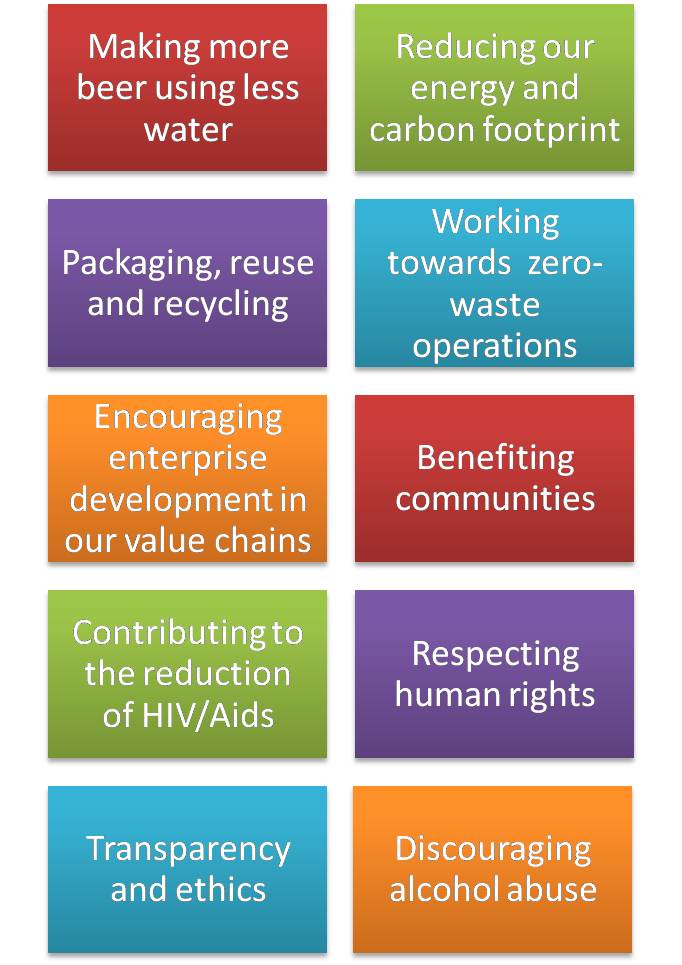
On 18th Feb 2013, SABMiller India showcased the results of their collaborative Integrated Water Resource Management project in partnership with the International Crops Research Institute for the Semi-Arid
Kingdom: Plantae Order: Magnoliales Family: Magnoliaceae Genus: Michelia Species: M. champaca ; M. oblonga Common name: Champa Origin: India Description: An evergreen tree. It is best known and cultivated for
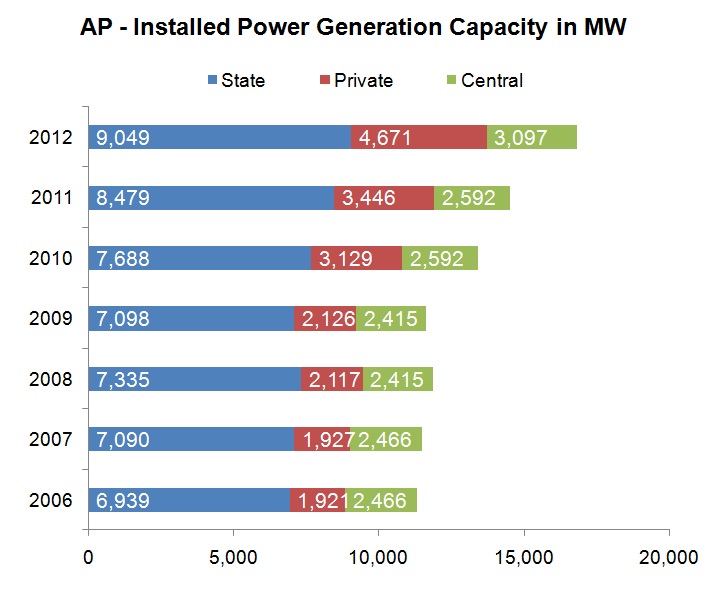
The state of Andhra Pradesh (AP) is located in the southern part of India and forms a major constituent of the southern grid. Major electricity generation happens through
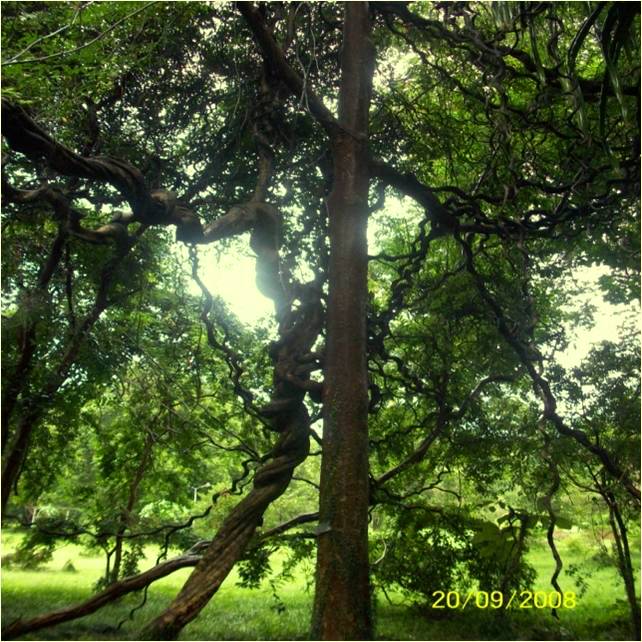
Kingdom: Plantae Order: Fabales Family: Papilionaceae Genus: Dalbergia Species: Dalbergia latifolia Common name: Indian Rosewood Origin: India Description: Rosewood is a large deciduous or nearly evergreen tree with a cylindrical, fairly
World Wetland Day – 2nd February This year theme– Wetlands and Water Management Wetlands are important conservation areas because of the depth of biodiversity they contain. There are